VFD hero image
Design. Build. Fly.

Vertical Flight Design Team

About VFD

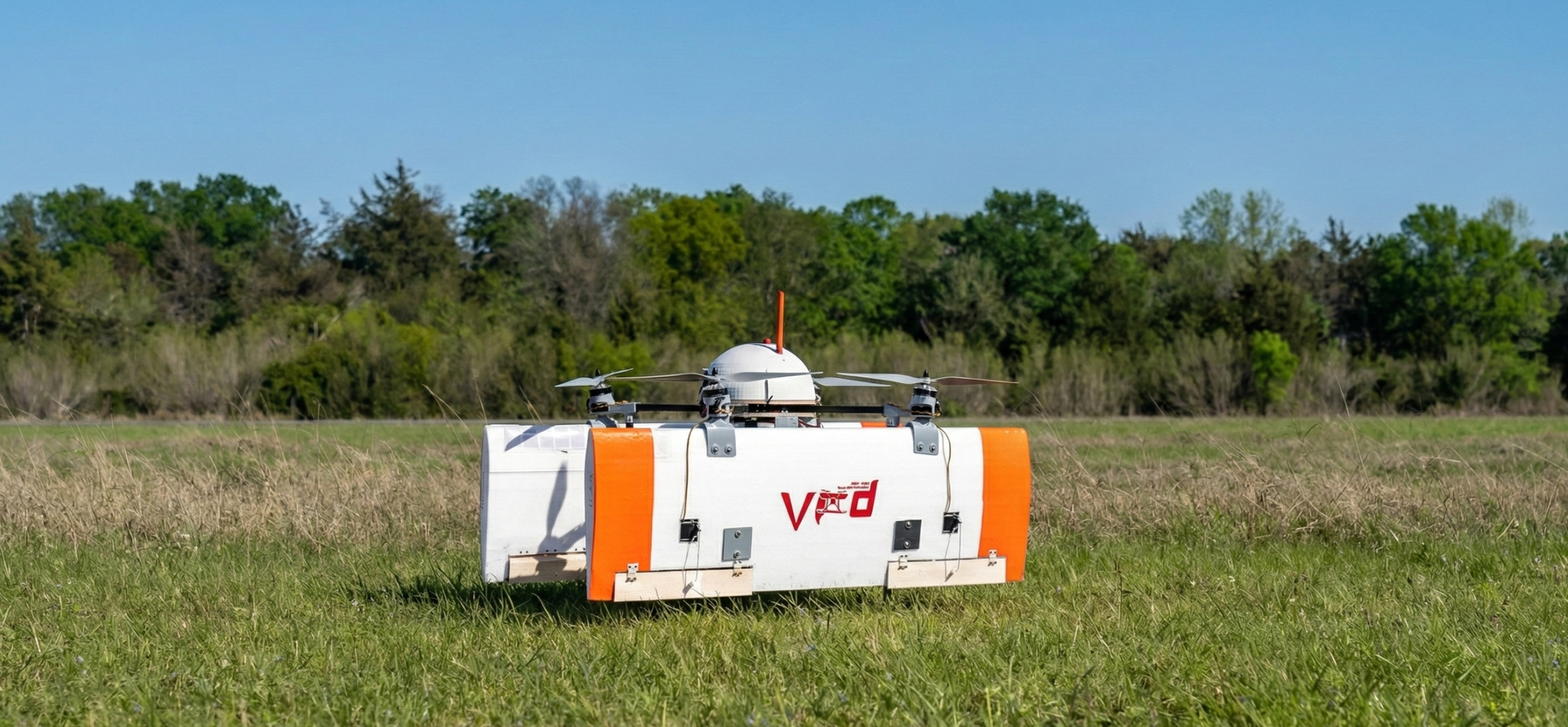
The Vertical Flight Design Team (VFD) is an undergraduate student led, multidisciplinary engineering team within the Texas A&M Vertical Flight Society that designs, builds, and flies advanced electric vertical takeoff and landing aircraft for the international VFS Design Build Vertical Flight competition. VFD is organized to reflect a real aerospace flight program, with dedicated subteams in Aerodynamics and Performance, Structures and Manufacturing, Avionics and Controls, and Autonomous Flight Software. The team operates under a systems driven design philosophy, emphasizing requirements definition, cross disciplinary integration, and validation through analysis, simulation, and flight testing. Members take end to end ownership of complex flight systems, from conceptual design through manufacturing and autonomous mission execution, while working within real regulatory, safety, and operational constraints.

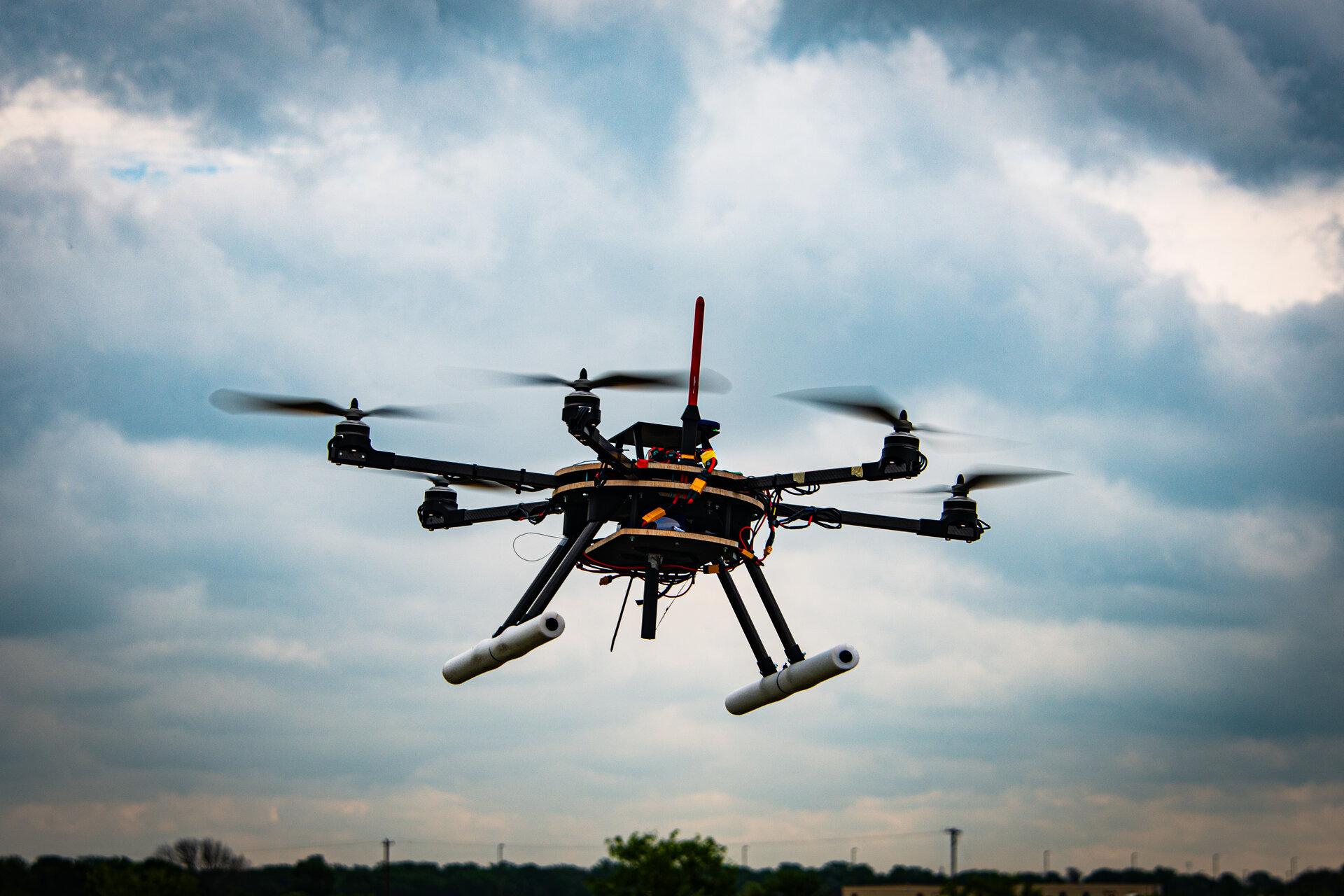
VFD won the 2024 VFS Design Build Vertical Flight competition and placed top five overall in 2025. In addition to pursuing another championship, VFD is expanding its scope by aggressively advancing internal design and research goals that go beyond competition minimums. These efforts include developing the team's first fully autonomous variable pitch propeller hexacopter manufactured entirely in house, designing and fabricating custom carbon fiber composite propellers, implementing a meta learning neural network for real time wind rejection, and developing a custom flight controller architecture tailored for autonomous vertical flight. Together, these initiatives position VFD not only as a top performing competition team, but as a platform for long term innovation in autonomy, propulsion, and vertical flight system design.
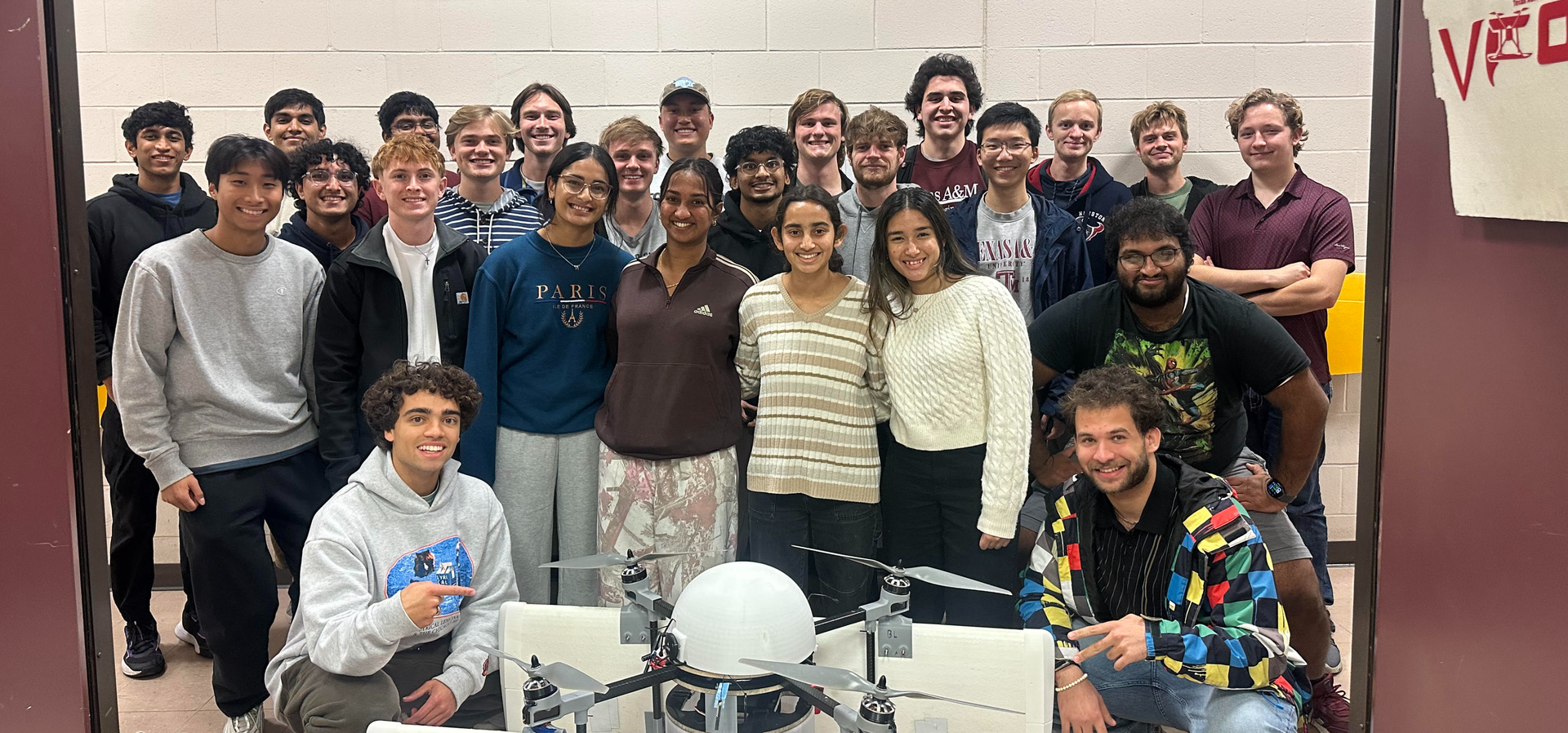
VFD about section image

Team Structure

VFD team structure image

VFD members are hand picked every year to form an elite team united under two common goals: pushing the boundaries of vertical flight with our own internal research goals, and winning the National Design-Build-Vertical Flight (DBVF) competition hosted by the Vertical Flight Society (VFS). While VFD members are divided into four sub-teams, there is a high degree of interdisciplinary collaboration and VFD members become experts in a variety of fields. Our team members' renowned blend of ingenuity, dedication, and technical skills allow them to thrive in real-world engineering applications. VFD is more than just the world's premier vertical flight design team, it's a hub for the next generation of pioneers in aerospace and aviation.
AERODYNAMICS

AERODYNAMICS

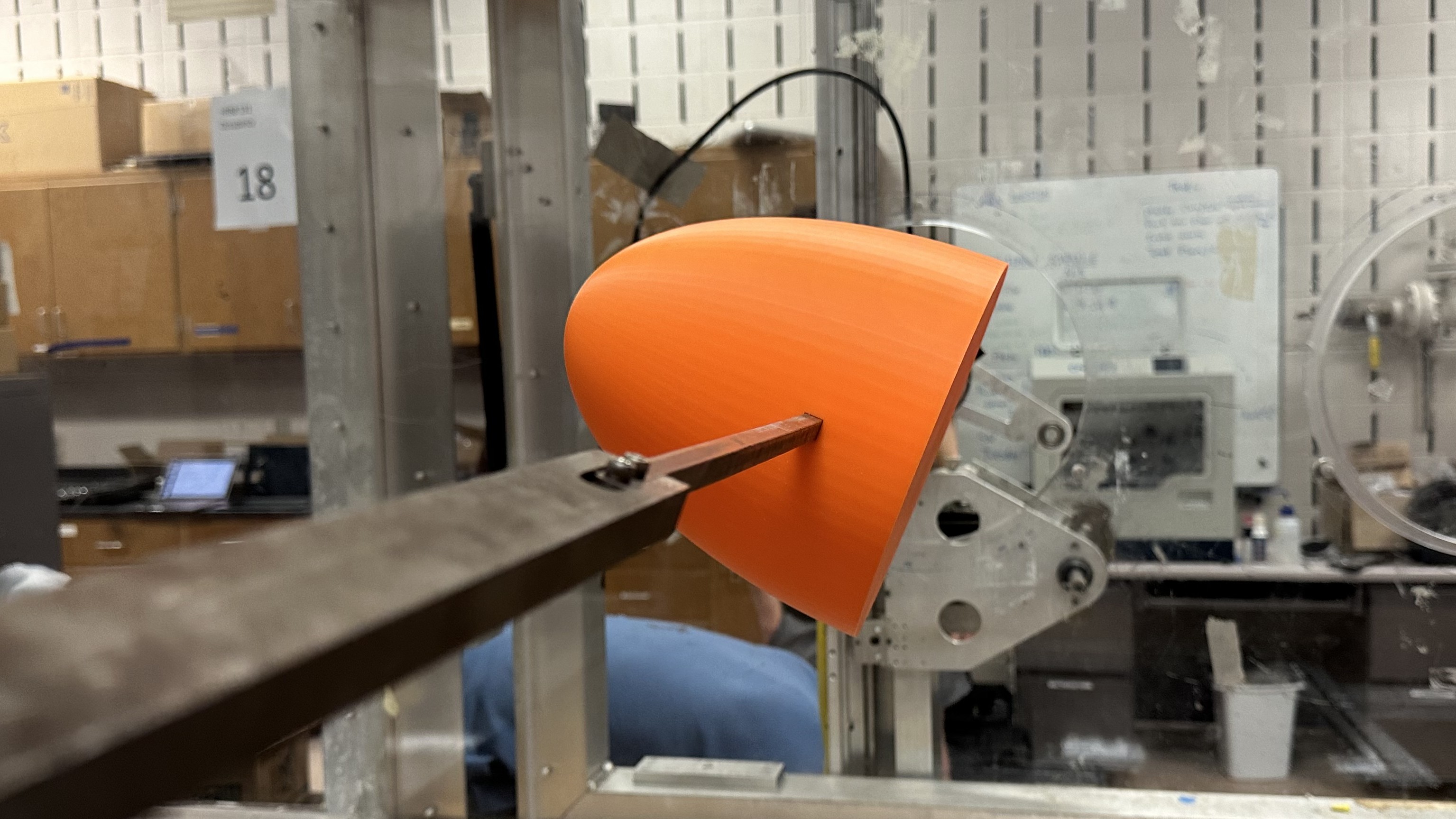
The Aerodynamics subteam is responsible for analyzing and optimizing aircraft aerodynamic performance through a combination of simulation and experimental testing. Members use CFD tools such as XFLR5, Athena Vortex Lattice, and ANSYS Fluent, with designs validated through wind tunnel testing in the AVFL facility. The team is also developing a proprietary genetic optimization framework for preliminary design in Python and MATLAB, with an associated research paper in progress. Aerodynamic surfaces are then modeled in SolidWorks and manufactured with methods such as 3D printing and CNC hot wire foam cutting.

STRUCTURES

STRUCTURES

The Structures subteam is responsible for the design, analysis, and fabrication of the aircraft's primary load bearing components. Members perform detailed structural analysis using finite element tools such as Abaqus and SolidWorks FEA, paired with advanced SolidWorks CAD modeling to produce complex, flight ready designs. The team leads full aircraft fabrication and assembly, conducts physical stress testing, and is working to manufacture rotors entirely in house using composite layering with a reverse mold process.

AVIONICS & CONTROLS

AVIONICS & CONTROLS

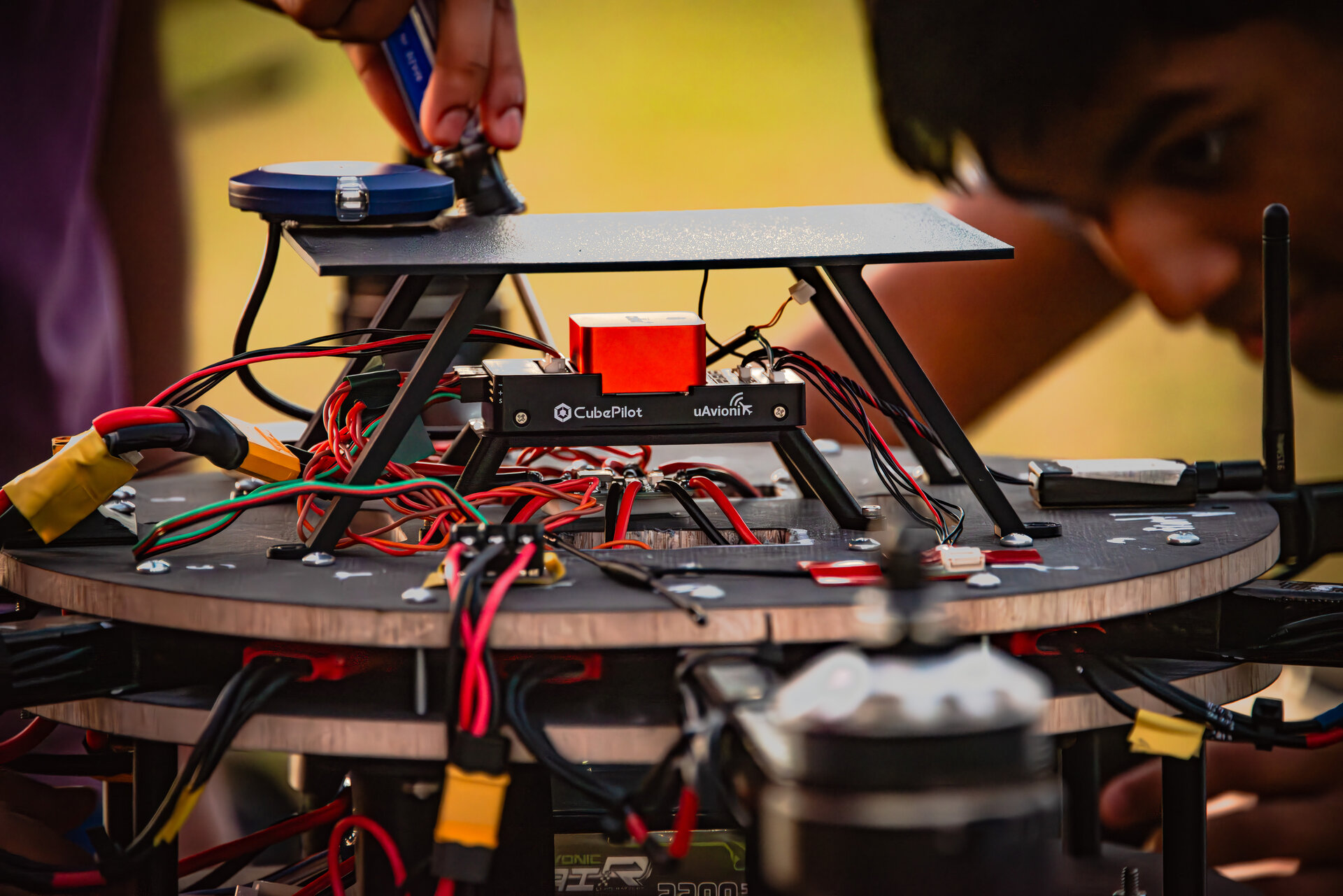
The Avionics & Controls subteam focuses on the analysis and design of the aircraft's avionics, powertrain, and flight control logic. Members apply control theory concepts such as PID control, EKF based state estimation, and system level control logic, alongside rotorcraft fundamentals including Blade Element Momentum Theory for propulsion and powertrain analysis. The team also designs custom PCBs and supports autonomous mission planning using tools like Mission Planner, ROS, and Gazebo. In addition, members lead avionics integration and wiring, developing hands on experience with electrical systems and soldering.

AUTONOMOUS FLIGHT SOFTWARE

AUTONOMOUS FLIGHT SOFTWARE

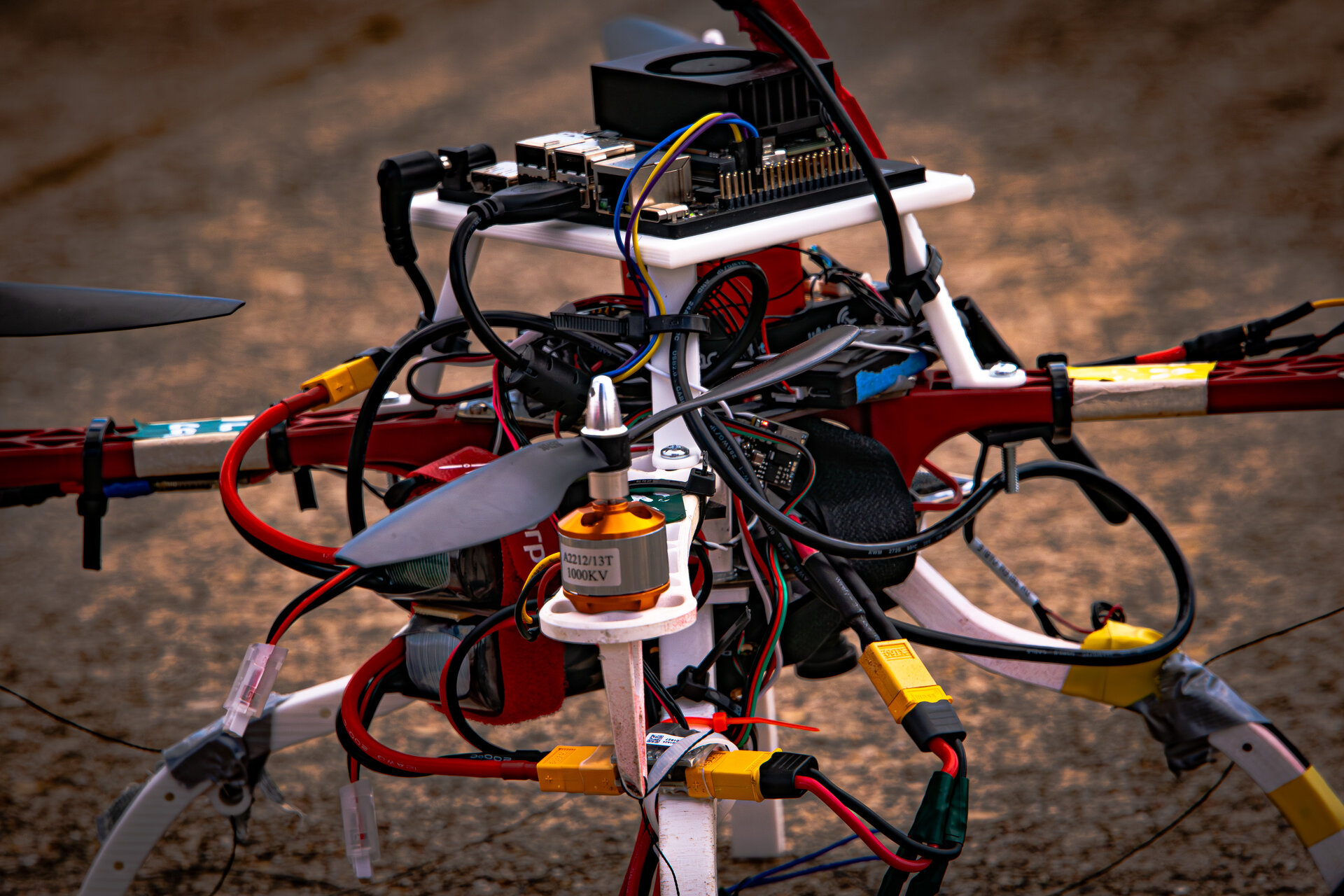
The Autonomous Flight Software (AFS) subteam develops the onboard autonomy stack that enables end to end autonomous mission execution. The team implements a layered ROS 2 architecture in modern C++ and Python, centered on behavior trees, safety gating, and modular flight stage controllers. AFS integrates computer vision for payload detection and targeting, high fidelity data logging and post flight evaluation pipelines, and is pursuing advanced research goals including meta learning neural networks for real time wind rejection.


VFD Team